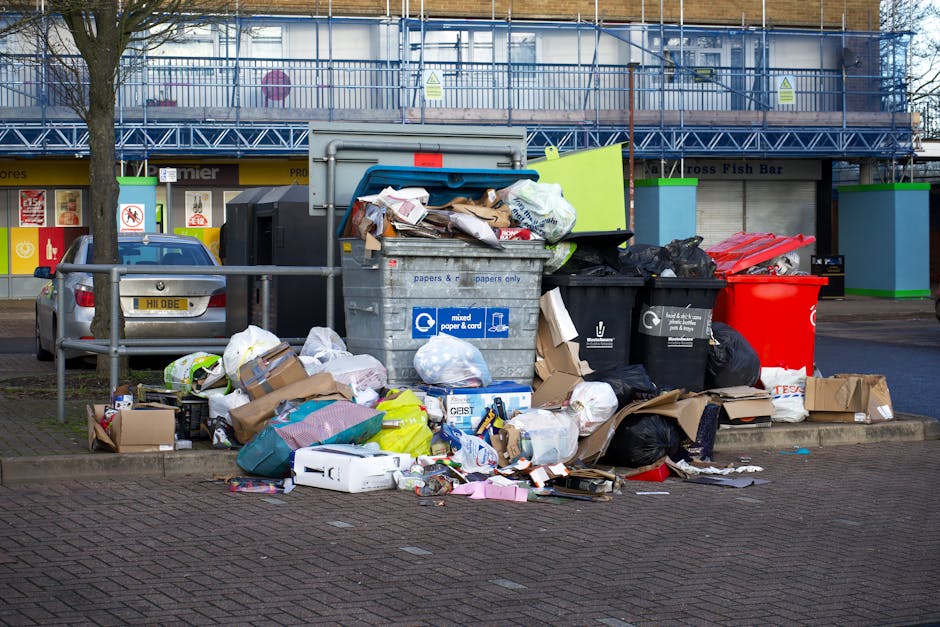
Churchill Gardens estate rubbish clearance insider tips
If you live in Churchill Gardens, you already know the rhythm of the place: shared entrances, tighter access than you might expect, the occasional awkward stairwell, and the need to keep things moving without causing a fuss. That is exactly why Churchill Gardens estate rubbish clearance insider tips matter. A well-planned clearance is not just about getting rid of waste; it is about doing it quietly, safely, and with as little disruption as possible to neighbours, porters, lift access, and the day-to-day flow of the estate. Truth be told, the difference between a smooth job and a stressful one is often a few smart decisions made before anyone lifts a single bag.
In this guide, you will get practical, estate-friendly advice on how rubbish clearance works, what to prepare, what to avoid, and how to choose the right approach for flats, communal spaces, furniture, bulky items, and mixed waste. We will also cover compliance, timing, and a few insider tricks that can save you a headache later. If you are comparing service options, it can help to look at broader support such as flat clearance, furniture disposal, or the wider waste removal service depending on what needs shifting.
One quick note before we begin: estate clearances are rarely difficult, but they are rarely as simple as people imagine either. A bit of planning goes a long way.
Table of Contents
- Why Churchill Gardens estate rubbish clearance insider tips Matters
- How Churchill Gardens estate rubbish clearance insider tips Works
- Key Benefits and Practical Advantages
- Who This Is For and When It Makes Sense
- Step-by-Step Guidance
- Expert Tips for Better Results
- Common Mistakes to Avoid
- Tools, Resources and Recommendations
- Law, Compliance, Standards, or Best Practice
- Options, Methods, or Comparison Table
- Case Study or Real-World Example
- Practical Checklist
- Conclusion
- Frequently Asked Questions
Why Churchill Gardens estate rubbish clearance insider tips Matters
Churchill Gardens is not the sort of place where you can just leave a heap of rubbish by the kerb and hope for the best. Shared access points, narrow routes, neighbour considerations, and estate rules all make planning more important than people often expect. That matters because clearance work done badly can cause blocked walkways, complaints, missed collections, damaged common areas, and extra costs. Not ideal, and usually avoidable.
The real value of insider tips is that they help you see the job from the estate's point of view. What looks like "just rubbish" from inside your flat may actually need sorting into bulky waste, reusable furniture, bagged household waste, or items that need careful handling. If you clear a property after a move, a refurb, or a tenancy change, you will feel the benefit immediately: fewer trips, less mess, and a much calmer exit from the building.
It also matters because timing can be sensitive. In an estate like this, a rush job can lead to awkward lift bookings, difficult loading, or avoidable friction with neighbours who are just trying to get their shopping in. A considerate clearance keeps the whole place feeling civilised. That sounds simple, but anyone who has wrestled a sofa through a tight stairwell on a damp Tuesday morning knows it is not always simple in practice.
Expert summary: The best Churchill Gardens estate clearance jobs are the ones you barely notice happening. Quiet preparation, sensible sorting, and the right disposal route usually save time, money, and embarrassment.
How Churchill Gardens estate rubbish clearance insider tips Works
At a practical level, rubbish clearance on an estate usually follows a straightforward pattern: assess the waste, sort what can be reused or separated, plan access, move items safely, and remove them using the right vehicle and disposal route. The insider part is knowing where small decisions make a big difference.
First, the clearance needs a rough picture of what is being removed. Is it a few bin bags, a broken wardrobe, a mattress, old white goods, builders' offcuts, or a full flat load? The answer changes the vehicle size, labour required, and whether you can keep the job to one visit or need a staggered approach. For example, a mixed flat clearance often needs more thought than a single bulky item because you have to separate furniture, general waste, and anything recyclable.
Second, access matters. In estate settings, the route from flat to vehicle is often the slowest part of the job. Lifts, staircases, shared corridors, parking positions, and time restrictions all shape the plan. A good crew will usually protect walls and corners where needed, avoid holding doors open unnecessarily, and keep disruption down. Small detail, big difference.
Third, disposal is not just "take it away." Responsible clearance should route items correctly, especially if there is furniture that can be reused, scrap metal, cardboard, or garden waste. Where possible, using a service with clear disposal and sorting practices is a better fit than simply loading everything into one pile. You can see how this broader approach is reflected across services like recycling and sustainability and furniture clearance.
Key Benefits and Practical Advantages
The main benefit of getting Churchill Gardens estate rubbish clearance right is not glamour. It is relief. The sort of relief that comes from opening a room and finally seeing the floor again. But there are several practical gains too.
- Less disruption: a well-planned clearance avoids blocking hallways, lifts, or entrances for longer than necessary.
- Better neighbour relations: fewer complaints, less noise, and less mess in communal areas.
- Cleaner handovers: especially useful if you are moving out, ending a tenancy, or preparing a flat for sale or letting.
- Safer movement of bulky items: furniture and heavy rubbish can be awkward in shared buildings, so careful handling matters.
- Smarter disposal: separating reusable or recyclable materials can improve the overall outcome.
- Reduced stress: you are not trying to coordinate bags, lifts, keys, and parking all at once on your own.
There is also a commercial advantage for landlords, agents, and property managers. Fast, tidy removal can help keep void periods down and make a flat easier to market. For occupied flats, it simply helps life carry on with less friction. To be fair, that is what most people really want: the job done cleanly, with no drama.
Who This Is For and When It Makes Sense
This kind of clearance is useful for a wide range of people, and the scenarios are more common than you might think.
Homeowners and residents often need help after decluttering, redecorating, or replacing broken furniture. A few boxes in the storage cupboard can quietly become two months' worth of "we should deal with that soon." Then suddenly the cupboard will not shut.
Tenants may need to remove waste before check-out or before handing keys back. A tidy flat usually makes the moving day less punishing.
Landlords and agents often need support after a tenancy ends, especially where items have been left behind or the flat needs to be made ready quickly.
Families sorting an inherited property may need a more sensitive, staged clearance where some items are kept, some are donated, and some simply have to go.
People doing DIY or light renovation may need builders' waste removed when offcuts, broken fixtures, and old materials start piling up. In those cases, a service such as builders waste clearance is often more appropriate than a general rubbish run.
It makes sense whenever the waste is too much for normal bins, too bulky for a simple car trip, or too awkward to handle without help. If the waste is mixed, heavy, or sitting in a flat rather than at street level, you will probably save yourself time by getting organised early.
Step-by-Step Guidance
Here is a practical way to approach a Churchill Gardens estate clearance without making it harder than it needs to be.
- Walk through the space first. Look in cupboards, behind doors, on balconies, and in storage areas. Waste hides in plain sight.
- Separate what stays from what goes. Keep important papers, valuables, keys, chargers, and personal documents aside before anything else moves.
- Group items by type. Put furniture together, bagged waste together, and recyclable materials together if you can.
- Check access details. Note lift size, stair width, parking restrictions, estate entry requirements, and any time limitations.
- Decide what needs specialist handling. Mattresses, fridges, freezers, office equipment, or garden waste may need different treatment.
- Book the clearance at the right time. Try to avoid peak footfall, school-run style congestion, or times when shared access is busiest.
- Use protective measures if needed. Door frames, floors, and corners can get scuffed during a hasty clearance. A little protection goes a long way.
- Confirm disposal expectations. Ask how items will be handled, whether reusable furniture may be separated, and whether waste is taken to appropriate facilities.
- Do a final sweep. Check behind radiators, under beds, and in storage units. Tiny leftovers can turn into annoying follow-up visits.
A good habit is to photograph the space before and after. Not for vanity. Just for clarity, especially if you are managing a tenancy or a property handover.
Expert Tips for Better Results
If you want the process to feel easier, these are the kinds of practical tips that make a real difference.
1. Book before the room is completely full. People often wait until access becomes difficult, which is understandable but not ideal. If pathways are still clear, removal is usually quicker and safer.
2. Treat the route as part of the job. The item in the flat is only half the story. The real challenge is getting it down the corridor, through the lift, and out without bumps, noise, or delays.
3. Keep mixed waste under control. General rubbish, furniture, electricals, and renovation debris should not all be thrown into one emotional pile. Sorting helps with disposal and can lower waste handling complexity.
4. Be honest about the volume. Underestimating waste is one of the fastest ways to create a second visit. Overestimate slightly if you are unsure.
5. Think about what can be reused. A decent wardrobe, dining chair, or table might not be rubbish at all. If the item still has life in it, it is worth considering whether it belongs in the clearance pile or in a furniture-focused route like furniture clearance.
6. Keep neighbours in mind. A quick heads-up can help if there will be more foot traffic, a booked lift, or a temporary loading situation. It is one of those small polite acts that pays you back immediately.
7. Do not ignore awkward waste. Old paint tins, sharp offcuts, broken glass, or hidden screws can cause problems later if no one checks them properly.
And one tiny but useful tip from real-world estate work: start near the farthest room and work back toward the exit. Otherwise you end up walking the same items past the same doorway three or four times. Nobody enjoys that, least of all your knees.
Common Mistakes to Avoid
These are the errors that most often turn a simple clearance into a messy one.
- Leaving everything for the last minute. This creates rushed sorting and poor access planning.
- Assuming the lift will handle everything. Some items look manageable until you try turning them in a narrow space.
- Mixing rubbish with valuables. It happens more often than people admit. One old envelope can contain something important, so check carefully.
- Not checking estate rules or access arrangements. A clearance crew may not be able to proceed smoothly if entry or loading has not been thought through.
- Forgetting about heavy or awkward items. Fridges, large wardrobes, and broken furniture can cause damage if handled carelessly.
- Ignoring recycling opportunities. Throwing everything away without sorting can be less efficient and less responsible.
- Choosing the cheapest option without checking what is included. The cheapest quote is not always the best value if it leaves you with extra hassle, hidden charges, or poor handling.
It sounds obvious, but a lot of clearance trouble comes from one very human habit: people underestimate how long it takes to sort a flat properly. Easy to do. Harder to undo.
Tools, Resources and Recommendations
You do not need a long equipment list, but the right basics make life much easier.
- Heavy-duty sacks or boxes: useful for sorted loose items.
- Strong gloves: especially if there are sharp edges, broken furniture, or dusty storage areas.
- Marker pens and labels: ideal for separating keep, donate, recycle, and remove piles.
- Tape and simple floor protection: helpful if items are being moved through a narrow route.
- Measuring tape: worth using for doorways, lifts, and bulky furniture that might need to turn.
- Phone photos: useful for planning, quotes, and avoiding confusion about what is actually being removed.
If you are getting a professional service involved, it is sensible to compare scope rather than just price. Ask what is included, how access is handled, and how mixed waste is treated. If the job involves an entire property or multiple rooms, browsing a broader option such as home clearance or house clearance can help you see which approach fits best.
For costs, it is usually more helpful to request a tailored quote than to guess from a generic rate. Volume, access, labour, and disposal type all influence the final figure. If you want a clearer view before committing, the service's pricing and quotes page is a sensible place to start.
Law, Compliance, Standards, or Best Practice
With rubbish clearance in a London estate, compliance is not something to leave to chance. You do not need to become a waste expert, but you should expect the basics to be handled properly.
In practical terms, responsible clearance means waste should be collected, transported, and disposed of in a way that follows normal UK waste-handling expectations. That includes being careful with hazardous or special items, not fly-tipping, and making sure the contractor is suitably insured and operating safely. If you are hiring a service, it is reasonable to ask how they approach insurance, vehicle loading, and waste handling standards. The company's insurance and safety information should give you a clearer sense of how seriously they treat the job.
For residents and landlords, best practice also means avoiding overfilled communal areas, blocking access routes, or leaving waste in places that breach estate rules. Keep bagged waste contained, do not leave sharp items exposed, and make sure nothing hazardous is mixed into general rubbish unless it is clearly handled by the appropriate service. Where a job involves construction debris, a dedicated builders waste clearance route is usually more appropriate than a standard domestic clear-out.
It is also smart to choose businesses that take recycling seriously and are transparent about how they handle waste. That does not mean every item can be reused or recycled, but the effort should be visible. If a provider can explain their sorting and disposal approach in plain English, that is usually a good sign.
Options, Methods, or Comparison Table
There is more than one way to clear rubbish from Churchill Gardens estate, and the right choice depends on scale, urgency, and how awkward the items are.
| Method | Best for | Pros | Trade-offs |
|---|---|---|---|
| Self-clearance | Small, light loads and simple trips | Cheap, flexible, good for a few bags | Time-consuming, tiring, awkward for bulky items |
| Van hire with your own labour | Moderate loads where you have help | More control over timing | You still do the lifting, sorting, and disposal logistics |
| Professional rubbish clearance | Bulky, mixed, or time-sensitive estate jobs | Fast, safer, less disruption, easier for flats | Higher cost than doing it yourself |
| Specialist item-focused removal | Furniture, office waste, garden waste, or renovation debris | Better handling of specific materials | May not suit mixed waste unless planned carefully |
For many Churchill Gardens residents, the professional option wins because access and timing are the real problem, not just the volume of rubbish. If the items are awkward or the estate route is tight, a modest service fee can be worth it simply for the reduced stress.
Case Study or Real-World Example
Here is a realistic example. A resident in a Churchill Gardens flat is moving out after years of accumulation: a broken chest of drawers, a mattress, several bin bags, a shelf unit, and a few old kitchen items in the cupboard that have been ignored for far too long. Nothing dramatic. Just life, really.
At first glance, it looks like a one-afternoon job. But once the route is checked, the resident realises the lift is small, the corridor is narrow, and the mattress will need careful turning. Instead of waiting until the moving day, they sort the items the day before, separate personal papers, take photos of the larger items, and leave the route clear. They also book the clearance for an earlier slot so the removal does not overlap with the busiest time of day.
The outcome is smoother than expected. The team gets in, loads efficiently, avoids unnecessary back-and-forth, and the flat is left ready for final cleaning. Most importantly, the neighbour interaction is minimal. No awkward pile left in the hall. No scramble. No "sorry about the mess" three times in ten minutes.
What made the difference? Planning, a bit of realism about the access, and not trying to force everything into one last-minute push. That is the pattern you see again and again in successful estate clearances.
Practical Checklist
Use this checklist before your Churchill Gardens clearance starts.
- Separate items to keep, donate, recycle, and remove.
- Check cupboards, loft storage, balconies, and under-bed spaces.
- Measure bulky furniture against doors, lifts, and stairs.
- Confirm any estate access rules or loading arrangements.
- Clear the route from the flat to the exit.
- Remove valuables, documents, keys, and personal items first.
- Group waste by type where possible.
- Flag awkward items such as glass, sharp metal, or heavy appliances.
- Ask about recycling and responsible disposal.
- Do a final walk-through after the clearance is done.
If you are dealing with a garage, loft, or storage-heavy clear-out as well, it may help to think in modules rather than as one giant task. Services such as loft clearance or garage clearance can be useful mental models even when the job is part of a broader flat clear-out.
Conclusion
Churchill Gardens estate rubbish clearance insider tips are really about making the job easier on every level: easier to lift, easier to plan, easier to dispose of properly, and easier on the people living around you. Once you stop thinking of it as "just rubbish" and start thinking of it as a small project with access, timing, sorting, and disposal choices, the whole thing becomes much more manageable.
The best results usually come from a calm first pass, a sensible sort, and a clear idea of what needs specialist handling. That might mean furniture, flat contents, builders' debris, or simply more waste than you can realistically deal with yourself. Whatever the mix, the aim is the same: remove it properly, keep the estate tidy, and avoid unnecessary hassle.
If you are at the point where you would rather hand the job over than wrestle with it alone, that is perfectly sensible. Sometimes the smartest move is simply to get help and get it done.
Get a free quote today and see how much you can save.
And once the last bag is gone and the room feels larger again, you will notice the difference straight away. It is a good feeling, that one.
Frequently Asked Questions
What is the best way to organise rubbish clearance in Churchill Gardens estate?
The best approach is to sort items first, check access routes, and decide whether the job is small enough for self-clearance or better suited to a professional team. In estate settings, access and timing usually matter as much as the waste itself.
Can bulky furniture be removed from a flat in Churchill Gardens?
Yes, but it usually needs planning. Large items such as wardrobes, sofas, and mattresses may have to be measured against doors, lifts, and corridor turns before removal starts.
Is it worth separating furniture from general rubbish?
Usually yes. Furniture may be handled differently from bagged waste, and separating it can make disposal cleaner and more efficient. It also helps if some items are reusable.
How do I avoid disturbing neighbours during a clearance?
Book the work at a sensible time, keep routes clear, avoid blocking shared areas, and move items efficiently. A quick heads-up can help if the job will involve repeated trips through communal space.
What should I do with items I want to keep?
Remove keepsakes, documents, keys, and valuables before any clearance begins. It sounds obvious, but busy clear-outs are exactly when small important items get overlooked.
Do I need a specialist service for builders' waste?
If the waste includes rubble, offcuts, or renovation debris, a dedicated builders waste clearance service is usually the better fit. Mixed domestic and construction waste can be harder to handle if it is not planned properly.
How far in advance should I arrange the clearance?
As soon as you know the likely volume and access issues. Even a simple flat clearance is easier when it is booked before the space becomes crowded or the handover date gets close.
What if I only have a few bags of rubbish?
Small loads can sometimes be handled more simply, but if access is awkward or you have no easy way to transport them, a removal service may still save time and effort.
How can I tell whether a quote is fair?
Look at what is included, not just the headline price. Labour, access, item type, disposal method, and any extra handling all affect value. A clear quote is better than a vague cheap one.
Are recycling and responsible disposal really important for a small job?
Yes. Even small clearances should be handled with care. Responsible sorting and disposal are part of good practice, and they matter whether the job is a single item or an entire flat.
What if I am clearing a flat after a tenancy ends?
Start with an inventory of what is left behind, separate anything personal or important, and remove waste in a way that keeps the flat ready for cleaning and inspection. Landlords and tenants alike tend to benefit from a tidy, documented approach.
Who should I contact if I want to learn more about service details?
You can review the company's background on the about us page or use the contact us page if you want to ask about a specific clearance. Sometimes a quick conversation clears up more than ten minutes of guesswork.