Pimlico house clearance in Pimlico

Our Pimlico house clearance service is set up to remove unwanted contents from homes, flats and shared properties with a careful, orderly approach. We deal with general household items, bulky furniture, mixed rooms and awkward spaces, so you can clear a property without trying to manage every part of the work yourself. The service is suitable for one-off clearances, partial clear-outs and larger property emptying jobs where a tidy finish matters as much as speed.
We cover house clearance work with a practical focus on what is actually in the property: furniture, boxes, stored belongings, everyday clutter and items that need separating for re-use, recycling or disposal. Where access is limited, our approach is to work methodically and keep the removal route clear. If you are comparing options, a good first step is to think about what must go, what can stay and whether any items need to be set aside before the clearance begins.
A quick way to start is to make a simple room-by-room note of the items you want removed and any pieces that require extra care. If you are ready to request pricing, please get in touch for a quotation.
House clearance options for different property types
Homes rarely need the same clearance treatment twice, so we plan around the layout and the amount of contents involved. A small terraced property, a converted flat and a larger family house can all require different handling because of stairs, narrow hallways, loft access or the amount of sorting needed. Our service can be tailored to complete removals or targeted clear-outs, depending on which rooms are being addressed and how much remains inside the property.
For a more focused job, we can work on individual rooms, storage spaces or mixed contents that have built up over time. Where furniture needs to be moved before the rest of the items can be reached, that can be handled as part of the same clearance. In properties where items are stacked in several areas, the aim is to create a clear sequence for removal so the work stays manageable and the premises are left in good order.
Typical house clearance tasks can include:
- removing sofas, tables, chairs and wardrobes
- clearing mixed domestic items from living spaces
- emptying cupboards, shelves and storage corners
- handling loose items that need sorting before removal
- taking away unwanted contents from multiple rooms
Rooms, furniture and items we commonly remove
Most household clearances involve a mixture of item types rather than one single category. We regularly deal with furniture, soft furnishings, boxed belongings, general household goods and items that have been kept in storage areas for too long to sort easily on the spot. The practical issue is often not just volume, but the way pieces are arranged in relation to each other. That is why a careful order of work helps the clearance move steadily from one space to the next.
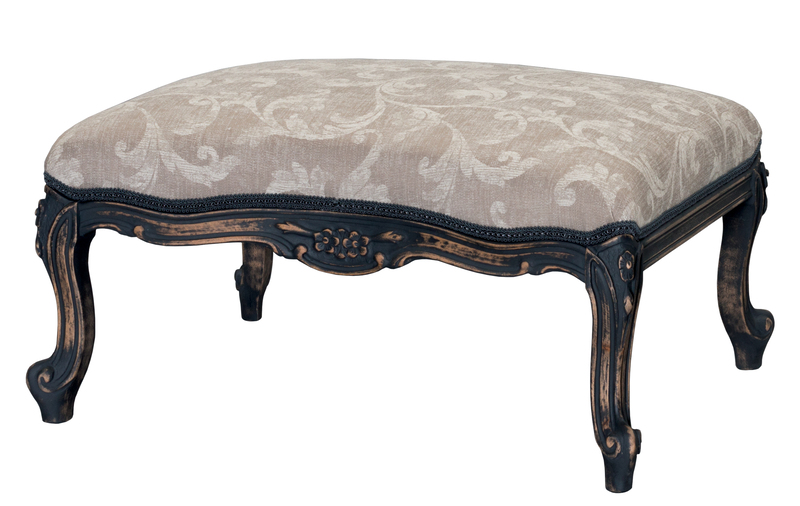
Large furniture can be one of the main factors in a clearance because it can limit access and make it harder to reach smaller items behind or beneath it. Once bulky pieces are removed, the remaining contents are often simpler to sort and collect. We also handle everyday items that have accumulated in bedrooms, reception rooms, kitchens and hallways, keeping the work organised so the property is not left with half-finished piles.
When planning what should be removed, it helps to think in groups rather than trying to list every single object. Furniture, loose household contents and stored items are often enough to define the main scope of the job, while anything delicate or personal can be separated before the visit. That small amount of preparation tends to make the clearance smoother without turning it into an administrative task.
How we approach a straightforward clearance
Our approach is to keep the work clear, direct and suitable for domestic settings. We start with the items that take up the most room or obstruct the easiest route through the property, then move into the smaller contents that remain. This way of working is useful where several rooms connect, because it prevents avoidable backtracking and helps maintain a sensible flow from entrance points through to the last area being cleared.
The process can also be adapted where you do not want every item removed. Sometimes a property only needs selected furniture taken away, while other belongings remain in place for later use or separate handling. In those cases, the clearance is planned around what must leave and what must stay. That distinction is important because it avoids confusion when rooms contain a mixture of disposal items and belongings that are still being kept.
For clearances that involve mixed contents, it is often useful to identify priority items before anything is moved. If there are pieces you would like left untouched, separate them visually or set them aside in advance where possible. This does not need to be elaborate; it simply helps the work stay accurate and keeps the service focused on the right rooms and the right items.
What affects the quotation

Quotation factors usually depend on the amount of material to be removed, how accessible it is and how much sorting is involved before the items can leave the property. A single room of mixed household goods is a different job from a full property clearance with furniture in several areas, so the scope needs to be described clearly. Stairs, narrow access and heavy pieces can also influence the amount of time and handling needed.
If you are preparing to request a price, useful details normally include the type of property, the rooms involved, the approximate volume of items and whether any objects need careful handling. Photos can help where they are available, but they are not the only way to explain a job. A short written description of the contents is often enough to begin. The main aim is to let us understand the work well enough to provide a sensible quotation.
It can also help to decide whether the work is a full clearance or a partial one. A partial job may leave some furniture, fixtures or personal effects in place, while a full clearance is designed to empty the agreed areas more completely. Either way, a clear brief tends to make the next step easier. Good details save time because the quotation can reflect the actual task instead of a guess.
Furniture removal and heavier household pieces
Furniture is often the most visible part of a house clearance, and it can also be the part that needs the most planning. Wardrobes, beds, sofas, tables and storage units are bulky enough to affect how the rest of the property is accessed, especially in rooms with limited turning space. Our furniture clearance and furniture disposal work sits naturally within the wider house clearance service, so larger items can be removed alongside the rest of the contents.
There are times when furniture alone is the main task, such as when a room is being refurnished, a property is being prepared for sale or a landlord needs old pieces taken away before new use of the space. In those cases, the emphasis is on safe movement and keeping the surrounding areas tidy during removal. When combined with other household items, furniture is generally tackled early so the remaining work becomes easier to organise.
Heavier pieces sometimes reveal other items once they are moved, which is why clearances involving furniture can take a step-by-step approach. If a sofa is blocking access to boxes or a wardrobe is standing in front of stored belongings, removing the large item first avoids unnecessary disruption. That practical sequence is often the most efficient way to deal with rooms that contain a mixture of old and current possessions.
Lofts, garages and other storage spaces

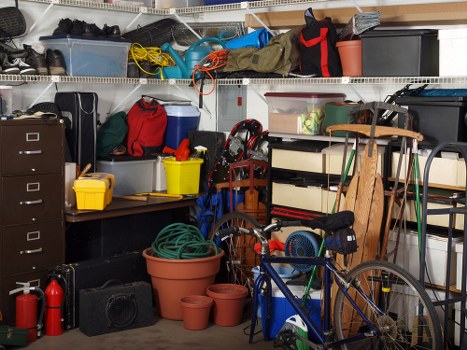
Many household clearances include spaces that have become catch-all storage areas rather than normal living rooms. Lofts, garages and utility areas often contain a mix of seasonal items, spare furniture, packaging, boxes and long-stored belongings. These spaces are often more awkward than they look, because the contents may be stacked unevenly or arranged around fixed features that reduce headroom or walking space.
Our loft clearance, garage clearance and related domestic clearance work can be integrated into a single visit where that is the most sensible arrangement. The benefit of grouping those spaces is that items can be removed in a structured order rather than being shifted from one room to another. Where the contents are not all going out, we can still work from the agreed sections and leave the rest untouched.
For storage-heavy areas, it is usually helpful to decide whether the space is being fully emptied or only brought back to a usable state. That distinction shapes the job more than the name of the room itself. A loft packed with old boxes and a garage containing mixed household items can both need the same measured approach: identify the agreed contents, clear them efficiently and leave the area tidy.
Waste removal, disposal and responsible sorting
House clearance naturally overlaps with general waste removal, but the two are not always identical. Some jobs involve reusable items, some involve mixed domestic contents and some involve materials that must be separated before they leave the property. We handle that practical sorting as part of the service, making sure the clearance is organised around what is suitable for re-use, recycling or disposal where applicable.
Responsible sorting matters because household contents are rarely uniform. A single room can contain furniture, paper, textiles, broken household items and general clutter, all of which may need different handling. Where items are suitable to be separated, that is done as part of the work rather than leaving the customer to manage every category afterwards. The aim is to keep the clearance efficient while still treating the contents sensibly.
If you are unsure how much needs to be removed, it is often best to focus first on the items that are definitely going. Anything uncertain can be discussed in the quotation stage. This keeps the scope realistic and avoids assumptions about what should be included. It also means the clearance can be planned around the actual contents, rather than an overly broad description that does not match the property.
About Pimlico
Pimlico is a compact district in central London, set on the west bank of the River Thames and known for its ordered streets, white stucco terraces and calm residential character. Much of the area was developed in the nineteenth century, when the grid of streets and garden squares created a distinctive pattern that still defines the neighbourhood today. Eaton Square and Chester Square are among the best-known addresses in the wider area, while quieter streets such as Warwick Way and St George’s Square reflect the mixed residential feel that sits alongside the district’s more formal architecture. The grid layout makes the area easy to read on a map, and the straight streets give it a more settled appearance than some nearby parts of central London. Pimlico Station places the district within the Underground network, and the Victoria area lies close by to the north, linking the neighbourhood to major transport, shops and services. The river frontage to the south adds another clear boundary, with views across the Thames contributing to Pimlico’s identity as a central but comparatively subdued part of the city. The district also has a strong connection to social housing history, with the Churchill Gardens estate standing as a notable post-war development. Church of St Gabriel and the riverside path are further reminders that Pimlico combines domestic life, civic planning and access to open waterside routes in a compact urban setting.
Clearance for properties being emptied or re-let

Some clearances are needed because a property is changing hands, being refurbished or being prepared for new occupancy. In those cases, the job may involve removing leftover furniture, storage items and general contents from rooms that have already been partly stripped back. Our house clearance service can be used for those situations too, provided the scope is agreed in advance and the items to be taken away are clearly identified.
Where there are several rooms to work through, it often helps to sort the property into sections: what must go, what remains and what needs special attention. That is especially useful in homes with mixed occupancy or multiple stored areas, because not every room will have the same contents or the same access. A careful approach reduces confusion and helps the clearance progress from the most crowded areas to the easier spaces.
If you would like to arrange the next step, please request a quotation when you are ready. We can then look at the scope of the house clearance, the type of contents involved and the best way to handle the property in a practical, tidy manner.
Helpful preparation before the clearance
A small amount of preparation can make the clearance more straightforward without turning it into a large project. If there are items you want to keep, move them to a clearly separate area if possible. It is also useful to check for anything personal or important that may have been stored inside cupboards, drawers or boxes. This kind of brief review helps avoid accidental removal and keeps the focus on the items that are definitely leaving.
Access information can be useful too, especially in properties with tight staircases, shared entrances or limited parking nearby. You do not need to provide a long explanation; a concise description of the route into the property is usually enough. If there are objects with sentimental or practical importance, make those clear at the outset. That is generally the safest way to ensure the clearance remains precise and respectful of what is staying behind.
When the property contains several types of items, keep in mind that not everything needs to be listed individually. A sensible grouping of furniture, household contents and storage items is often enough to define the job. If you are weighing up what to do next, keep the brief clear and simple and let the quotation reflect the actual rooms involved rather than the idea of the job in abstract terms.