Exploring the ABCs of Recycling with Children
Exploring the ABCs of Recycling with Children: A Fun and Educational Guide
Are you looking for engaging ways to teach your children about recycling? In today's eco-conscious world, it is more important than ever to equip the next generation with the knowledge, habits, and values that support sustainable living. Exploring the ABCs of Recycling with children is a fun, interactive approach that not only sparks young minds but also fosters a sense of environmental responsibility from an early age.

Why Teach Children About Recycling?
Recycling is not just an adult responsibility. Kids can play a significant role in environmental protection when taught the importance of recycling early on. Educating children about recycling helps them develop lifelong habits that benefit both their communities and the planet.
- Promotes environmental awareness: Children who understand recycling are more likely to care for the world around them.
- Encourages critical thinking: Kids learn to differentiate between various materials and what can or cannot be recycled.
- Builds responsibility: Participating in recycling at home, school, or community events gives children a sense of contribution and empowerment.
- Sparks curiosity: Exploring recycling principles inspires questions about how things are made, used, and disposed of.
The ABCs of Recycling: Making the Basics Easy for Kids
Recycling education can be overwhelming if presented in the wrong way. That's why the "ABCs of Recycling" method is an ideal tool to introduce children to environmental stewardship. Here's a comprehensive breakdown to help you get started.
A is for Awareness
Before children can recycle effectively, they need to be aware of what waste is and its impact. Cultivating a sense of curiosity and concern about the environment is a crucial first step.
- Discuss the journey of a piece of trash from home to landfill or recycling center.
- Highlight the problems associated with landfills and pollution.
- Introduce simple vocabulary like "reduce," "reuse," and "recycle."
- Use storytelling, videos, or field trips to bring concepts to life.
B is for Bin Sorting
Once children understand the need for recycling, guide them to the `"how-to"` aspect:
- Show different recycling bins and labels. Have kids practice sorting paper, plastics, metals, and glass.
- Explain what can and cannot be recycled in your local area.
- Use color-coded containers and create engaging sorting games at home or school.
- Encourage questions. Let children ask about why certain items go in specific bins.
C is for Creativity
*Recycling doesn't end with sorting! Sparks fly when you encourage creative thinking around upcycling and reusing materials.*
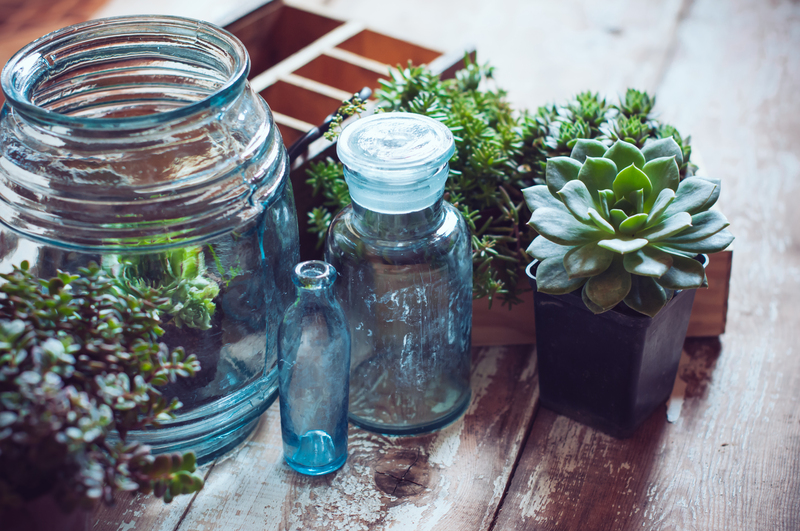
- Upcycling projects: Turn empty jars into storage containers, or craft with cardboard and plastic.
- Art from recycled materials: Host a competition or art show featuring projects made from recyclables.
- Start a classroom or home recycling challenge with rewards for innovative ideas.
- Ask kids to brainstorm new uses for old items before throwing them away.
Fun Activities to Explore Recycling Concepts with Kids
Create a Recycling Scavenger Hunt
Transform education into an adventure! Organize a scavenger hunt where children search for items around the house or school that can be recycled. Give clues, offer a checklist, and reward correct sorting with stickers or small prizes.
Interactive Recycling Games
- Recycle Relay: Set up a relay race where kids have to run and place items in the correct recycling bin as fast as possible.
- Bingo: Design bingo cards with various recyclable materials in each square. Children fill in the squares as they spot those materials around their environment.
Recycling Storytime
Read books and stories that illustrate the journey of waste or the adventures of recycled objects. Some favorites include "Michael Recycle" by Ellie Bethel and "The Adventures of a Plastic Bottle" by Alison Inches.
Build a Miniature Recycling Center
With shoe boxes, small containers, and labels, help your kids construct a model recycling center. This hands-on approach demystifies the process and is ideal for visual learners.
Discussing Different Types of Recyclable Materials
Papers and Cardboard
- Describe what types of paper and cardboard can be recycled.
- Explain the importance of keeping these materials clean and dry.
- Consider a craft project using old magazines, newspapers, or cereal boxes.
Plastics
- Point out the numbers on plastic containers that indicate their recyclability.
- Discuss the environmental challenges of plastic waste and the need to reduce usage.
- Show creative ways to repurpose plastic bottles and containers.
Metals and Cans
- Highlight which metals can be recycled (usually aluminum and steel cans).
- Encourage rinsing cans before recycling.
- Demonstrate an art project using old aluminum cans (safely).
Glass
- Talk about the infinite recyclability of glass.
- Describe the importance of handling glass with care.
- Create a mosaic or decoration project using pieces of colored glass (ensure adult supervision).
Developing Good Recycling Habits with Kids
Consistency is key to building recycling habits. Parents and educators can ensure that recycling becomes second nature for children by modeling responsible behavior and reinforcing positive actions.
- Lead by example - let kids see adults recycling regularly and with enthusiasm.
- Assign small recycling-related chores or roles to children at home or in the classroom.
- Set up clearly marked recycling areas within the home, school, or community center.
- Discuss the reasons for recycling often, integrating it into daily conversations.
The Global Impact of Recycling - Putting it into Perspective
Explaining to children that their efforts, though small, have a huge impact worldwide helps give recycling personal meaning and urgency.
- Share stories about how recycling saves natural resources, reduces landfill waste, and protects wildlife.
- Find online videos or infographics that illustrate the positive effects of recycling globally.
- Join or organize community clean-up and recycling events.
How Kids' Participation Matters
Let your children know that every item they recycle helps offset the environmental costs of production, conserves energy, and ultimately reduces greenhouse gas emissions. Their actions inspire friends, family, and neighbors too!
Overcoming Recycling Challenges with Kids
While teaching children about the basics of recycling is essential, challenges may arise along the way. Here's how to tackle some common problems:
- Lack of Motivation: Keep lessons positive, use reward systems, and regularly update activities to maintain interest.
- Confusion Over Recycling Rules: Clarify what is recyclable in your area. Use posters, lists, and visual aids as reminders.
- Messy Sorting Areas: Make recycling spaces accessible and tidy. Encourage everyone to clean and flatten recyclables.
- Peer Influence: Foster a team spirit by involving friends, siblings, or classmates in group recycling challenges and projects.
Online Resources for Teaching Kids About Recycling
Supplement your lessons with exciting digital tools and resources:
- Interactive games: Websites like EPA's Recycle City or National Geographic Kids offer free recycling games and quizzes.
- Printable coloring pages and crafts: Find artwork that explains the recycling process.
- Videos: Watch kid-friendly documentaries and animated shorts on YouTube or PBS Kids.
- Local waste management websites: Many municipalities provide downloadable recycling guides tailored for children.
Tips for Recycling Adventures at Home and School
- Make recycling a daily habit. Set a family goal for the amount of recycled waste each week.
- Host a "Zero Waste Day" to challenge everyone to reduce, reuse, and only recycle unavoidable waste.
- Connect with local recycling centers for tours or school field trips.
- Encourage student-led recycling campaigns and classroom clubs focused on sustainability.
Frequently Asked Questions About Kids and Recycling
-
Q: At what age can children start learning about recycling?
A: Even toddlers can participate by helping sort recyclables with guidance. By preschool, children can grasp basic concepts and gradually become more active participants. -
Q: How do you explain the importance of recycling to a young child?
A: Use simple language and relatable examples, such as how recycling turns bottles into new toys or saves trees. Storybooks and visual aids work wonders. -
Q: What should I do if recycling isn't available in my area?
A: Focus on reusing and reducing waste as much as possible. Organize community efforts or talk to local authorities about starting a recycling program. -
Q: How can I motivate older children and teens to care about recycling?
A: Link recycling to broader issues like climate change and social responsibility. Allow them to lead projects, volunteer, or use apps that track their impact.
Conclusion: Raising Tomorrow's Eco-Heroes
Exploring the ABCs of Recycling with children is an essential step toward a cleaner, greener world. When we nurture a sense of stewardship and curiosity, kids transform from passive bystanders into active "eco-heroes." The lessons learned early on will last a lifetime, influencing how they view consumption, waste, and their role as caretakers of our planet.
So, whether you are a parent, teacher, or community leader, start today. Make recycling fun, accessible, and meaningful for every child. Together, we can inspire a generation to care for the earth--one recycled item at a time.
Ready to start your recycling adventure? Share your stories and tips in the comments below--let's grow our recycling community together!